

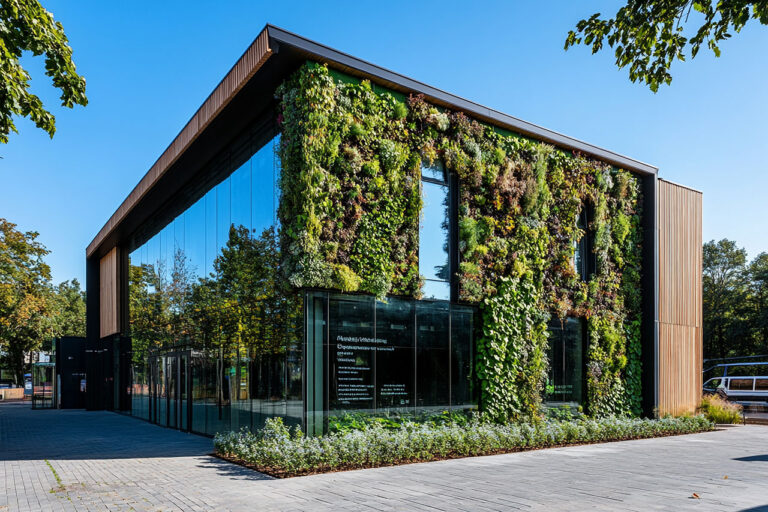
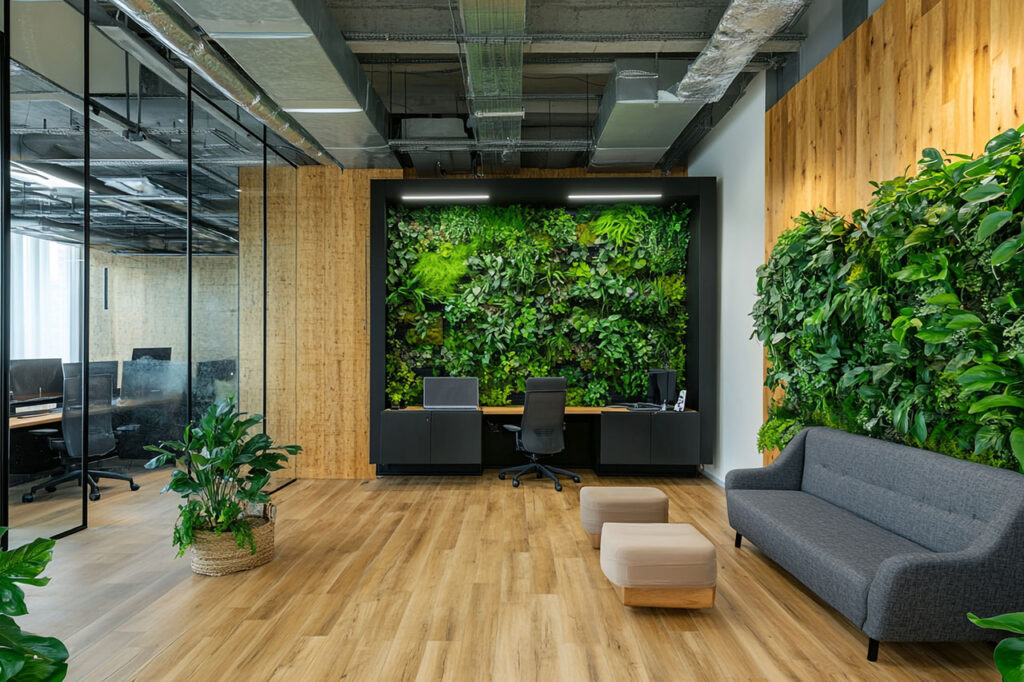
In today’s urban landscape, architecture is evolving beyond shelter and aesthetics—it’s about creating spaces that connect people to nature, improve environmental sustainability, and enhance well-being. Green roofs and vertical gardens are transformative solutions, combining visual beauty with practical functionality to redefine modern buildings.
1. What Are Green Roofs and Vertical Gardens?
Green roofs are vegetative layers installed on rooftops over a waterproof system. They can be:
Extensive: Lightweight, low-maintenance, ideal for large surface coverage.
Intensive: Heavier, capable of supporting a variety of plants, including trees and shrubs, often designed as accessible rooftop gardens.
Vertical gardens, or living walls, are plant installations that grow upward on walls, facades, or specialized structures. Both approaches integrate greenery into the urban fabric, enhancing air quality, aesthetics, and environmental performance.
2. Benefits of Green Roofs and Vertical Gardens
2.1. Environmental Impact
Vegetation on rooftops and walls reduces urban heat islands, absorbs CO₂, and filters pollutants. These systems also support urban biodiversity, providing habitats for birds, insects, and beneficial microorganisms.
2.2. Energy Efficiency
Green roofs naturally insulate buildings, reducing heat loss in winter and heat gain in summer. Vertical gardens can shade facades, lowering energy consumption for cooling.
2.3. Stormwater Management
Plants and soil absorb rainwater, slowing runoff and reducing flood risks. This natural retention eases pressure on city drainage systems while supporting sustainable water management.
2.4. Wellness and Aesthetic Appeal
Greenery transforms concrete landscapes into calming spaces. Access to natural elements has been shown to reduce stress, enhance mood, and improve productivity—key considerations in both residential and commercial architecture.
2.5. Noise Reduction
Vegetation acts as a natural sound buffer, reducing urban noise pollution and creating quieter, more serene interiors.
3. Key Design Considerations
Plant Selection: Choose resilient, climate-appropriate species such as succulents, ferns, grasses, or native plants.
Structural Support: Ensure the building can handle additional loads; waterproofing, drainage, and weight distribution are crucial.
Irrigation Systems: Implement efficient watering solutions, like drip irrigation, especially for vertical gardens.
Integration with Architecture: Design greenery to enhance entrances, atriums, or rooftop areas without compromising aesthetics or function.
Maintenance: Regular pruning, fertilization, and inspection are essential to keep plants healthy and the installation attractive.
4. Inspiring Examples
Bosco Verticale, Milan: Residential towers with over 900 trees and 20,000 plants integrated into balconies, improving air quality and biodiversity.
California Academy of Sciences, San Francisco: A 2.5-acre living roof offering insulation, habitat, and stormwater management.
Namba Parks, Osaka: A cascading vertical garden on a multi-story complex, creating an urban oasis for visitors.
Conclusion: Green roofs and vertical
Green roofs and vertical gardens are more than decorative features—they are functional, sustainable, and restorative. At Ribo Architecture Studio, we specialize in integrating greenery into architecture with precision and vision.
Whether designing a rooftop garden, a vertical green wall, or a hybrid solution, our team ensures that every project is both beautiful and efficient. We carefully select plants, optimize structural and irrigation systems, and integrate greenery seamlessly into the building’s design.
By combining architectural expertise with nature-focused solutions, Ribo Architecture Studio creates spaces that enhance environmental performance, support human wellness, and elevate urban living. In every project, we prove that in modern architecture, function and beauty can grow together—literally.
No comments yet.