

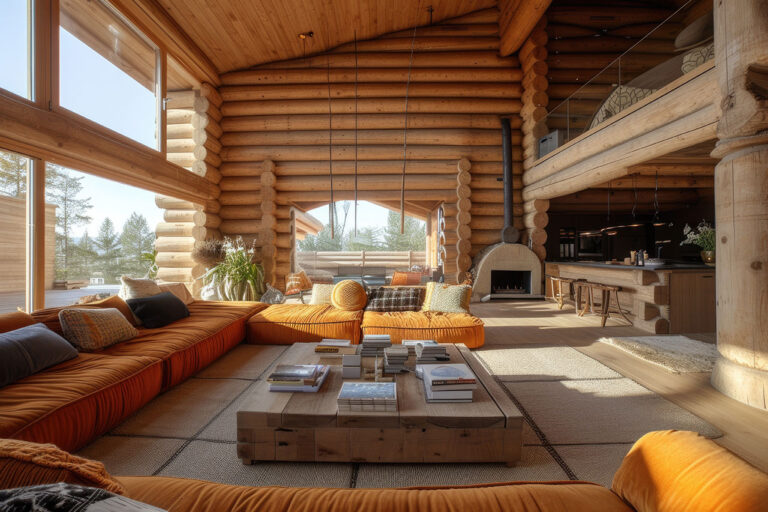

Natural light is one of the most valuable elements in modern architecture. It affects mood, improves comfort, and makes every space feel warmer and more welcoming. When architects design with light in mind, homes stay bright and inviting throughout the year. As a result, natural light becomes a key part of healthy living and timeless design.
1. Why Natural Light Matters
Natural light does more than brighten a room. It can:
Improve your mood
Reduce stress
Make small spaces feel larger
Support a healthy daily rhythm
Because of these benefits, architects often use natural light as a core design tool.
2. Window Placement That Works All Year
Good architecture begins with smart window placement. Different directions bring different qualities of light.
- South-Facing Windows
They offer soft, warm light during the day. Many living rooms and kitchens use this orientation.
- East-Facing Windows
They bring bright morning sun. Bedrooms and breakfast areas feel fresh and energized with this light.
- West-Facing Windows
They offer warm evening light. However, shading can help avoid too much heat.
- North-Facing Windows
They give steady, diffused light. This is ideal for home offices and studios.
With the right layout, natural light stays balanced throughout the year.
3. Light Shelves and Reflective Surfaces
To bring daylight deeper inside the home, architects often use simple strategies. For example, light shelves bounce sunlight toward the ceiling. Reflective materials, such as light-colored stone or soft metallic finishes, spread warm light across a room. In addition, bright wall colors help distribute daylight evenly.
4. Skylights and Solar Tubes
Skylights are powerful tools in architecture. They bring vertical light into areas where traditional windows cannot reach. Solar tubes work in a similar way. They guide sunlight through narrow shafts and brighten dark spaces. Because of this, even compact homes can enjoy natural light all year.
5. Warm Materials That Enhance Light
Material choice plays a major role in how natural light feels indoors. Warm-toned materials make sunlight richer and softer. These include:
Light woods like oak
Warm stones such as travertine
Natural fabrics like linen and wool
When daylight touches these materials, the interior feels calm and timeless.
6. Designing for Every Season
The best architecture adapts to seasonal changes.
- In Winter:
Capture as much sunlight as possible
Use materials that store warmth
Choose windows that reduce heat loss
- In Summer:
Use shading devices
Add deep overhangs
Encourage natural ventilation
These choices help keep the home warm in cold months and cool in hot months.
7. How Landscape Affects Natural Light
The outdoor environment shapes indoor light. For example, trees with seasonal leaves block harsh summer sun but allow warm winter light. Pergolas soften bright light. Light-colored outdoor surfaces reflect indirect sunlight into the home. As a result, the landscape becomes part of the overall architectural design.
Conclusion: Light Creates Warmth and Meaning
Designing with natural light is essential in today’s architecture. It makes homes healthier, more comfortable, and more energy-efficient. When architects use daylight as a guiding element, the result is a warm and harmonious space that feels right in every season.
Ribo Architecture Studio follows this approach in every project. The studio studies how natural light moves through a space and how materials respond to it. With this knowledge, Ribo Architecture Studio creates homes that feel warm, modern, and deeply connected to human needs. Natural light becomes more than illumination—it becomes a defining part of the architecture itself.
No comments yet.