


In contemporary architecture, material selection goes far beyond aesthetics. Durability, performance, construction details, and climate compatibility all play a crucial role in architectural design. Among modern façade solutions, the combination of travertine stone and metal flashing has emerged as a refined and intelligent approach, balancing tradition with modern construction techniques.
1. Travertine Stone: A Natural and Versatile Material
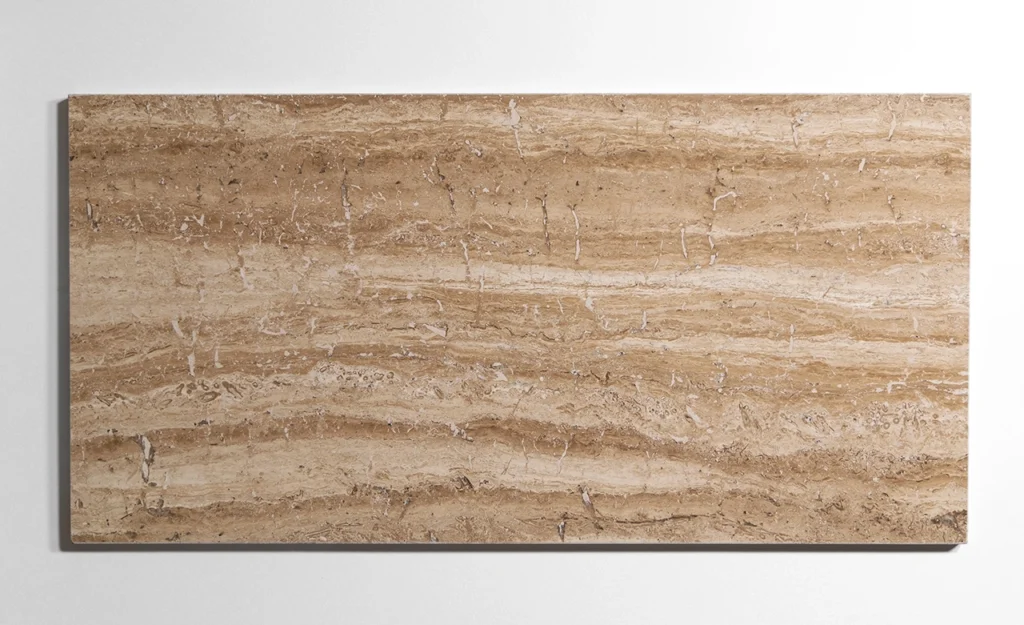
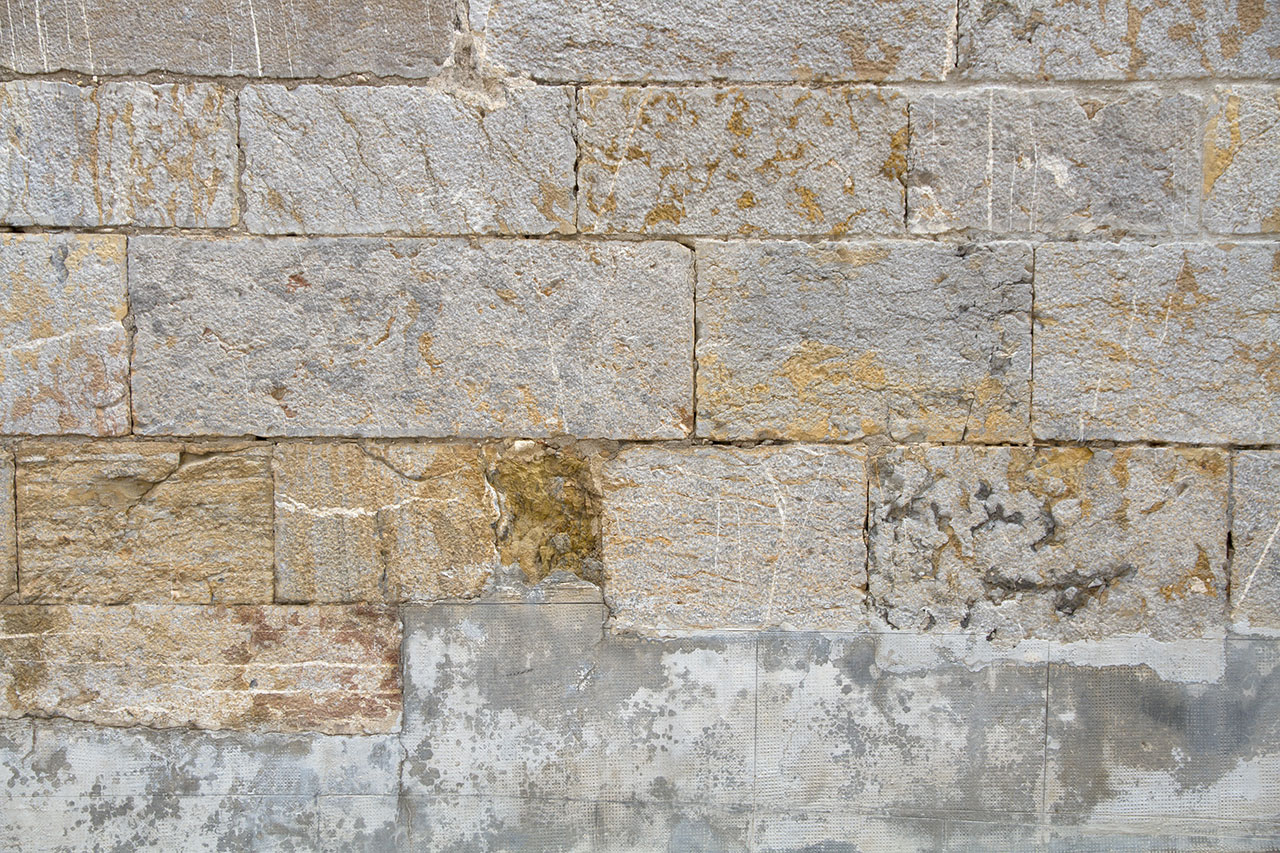
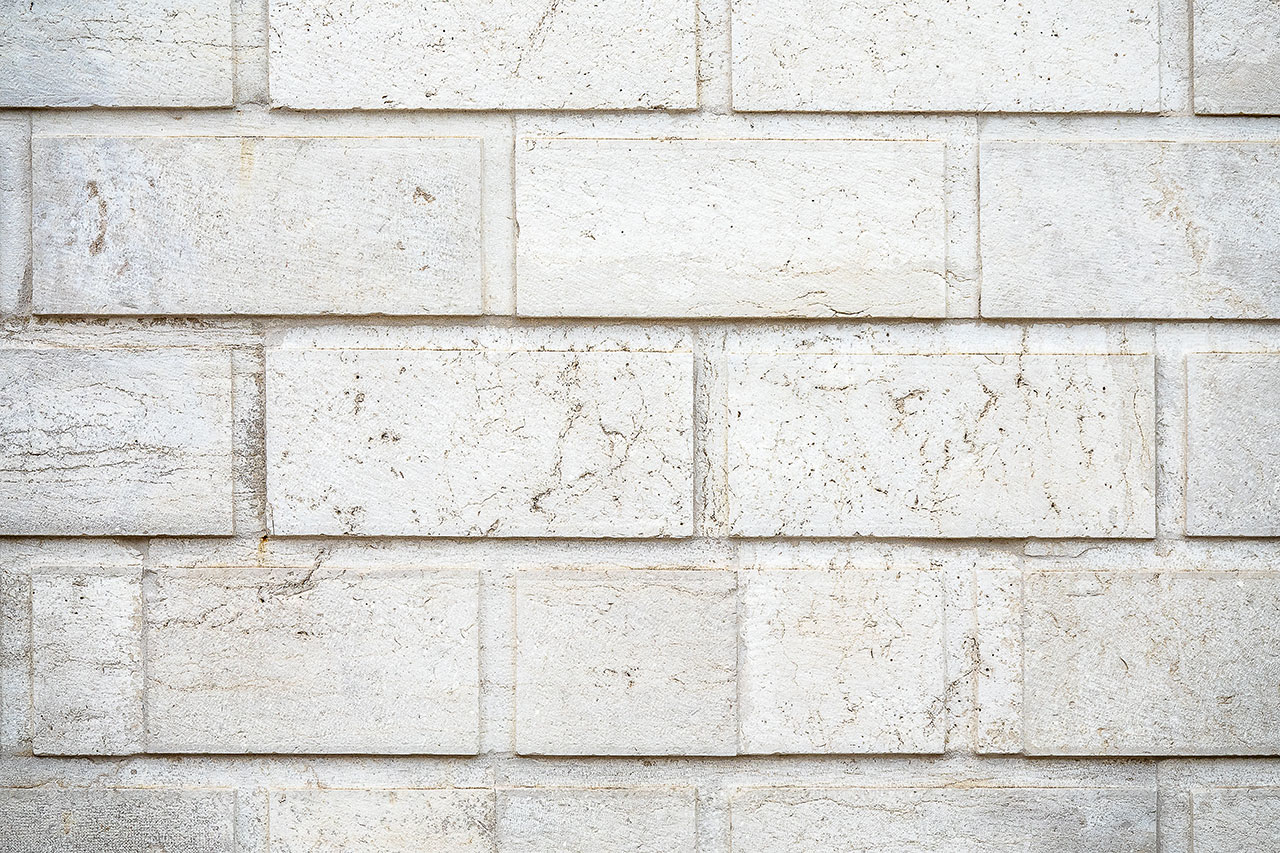
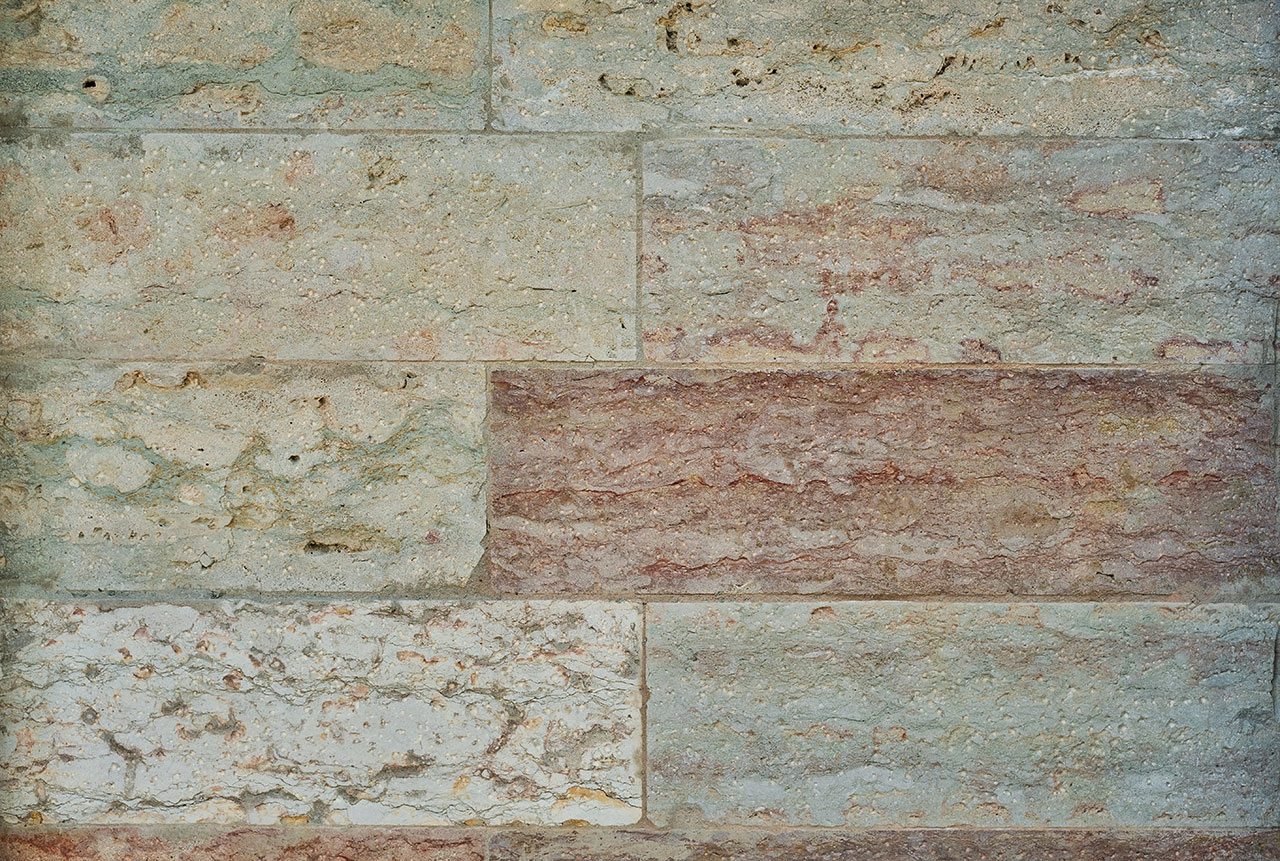
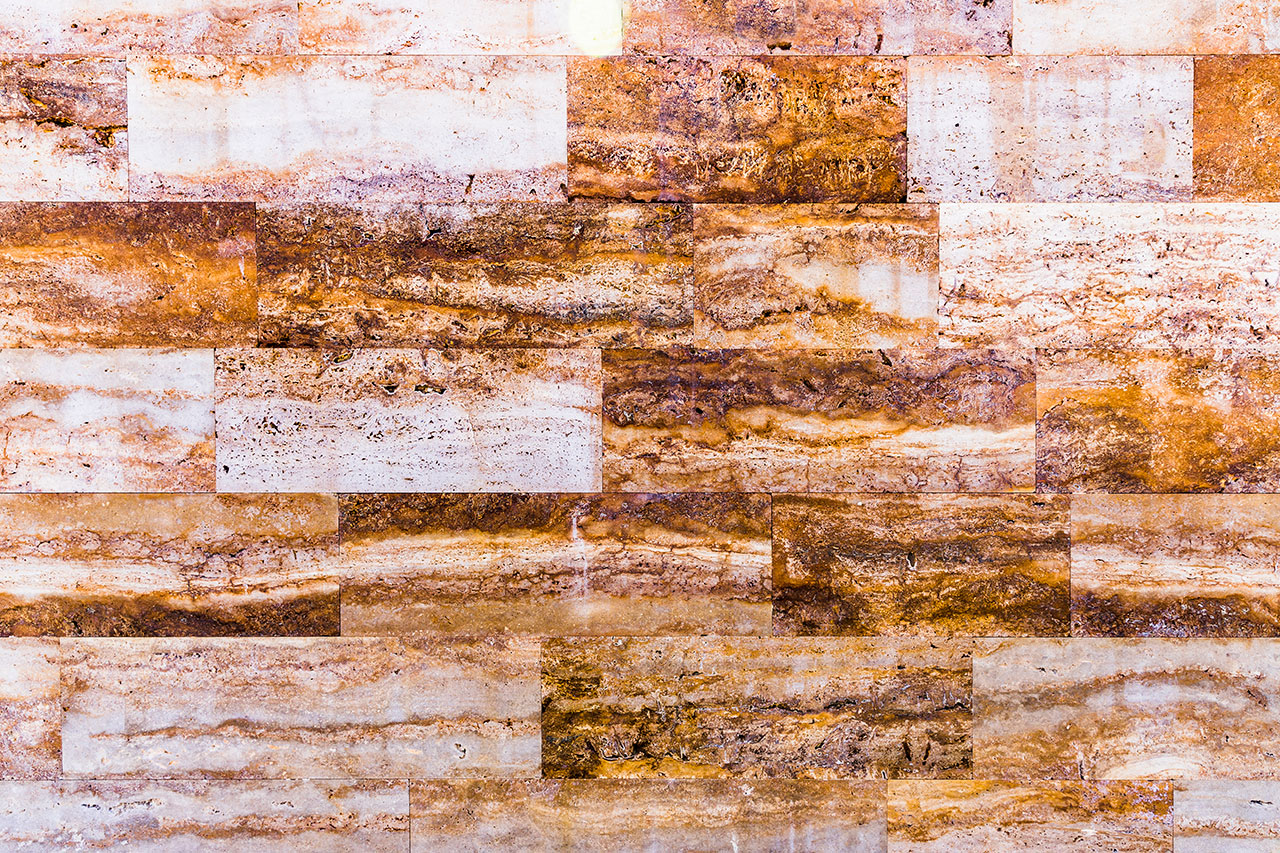
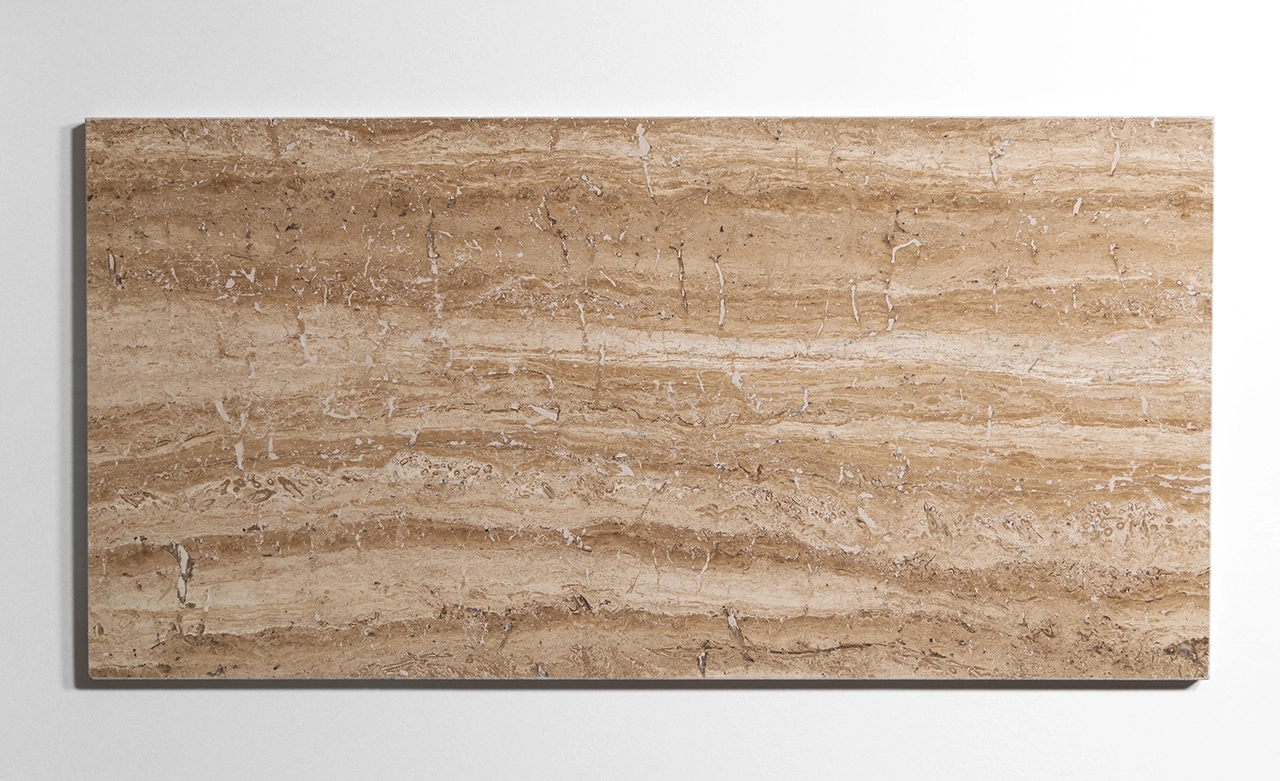
Travertine stone has long been one of the most valued materials in architecture, particularly in regions with rich stone traditions. Its warm texture, natural pores, and diverse color range make it an excellent choice for residential and commercial façades.
Key Advantages of Travertine in Architecture
Strong compatibility with various climates
High resistance to temperature changes
Wide range of natural colors (cream, beige, walnut, white)
Flexibility for refined architectural detailing
Beyond its visual appeal, travertine stone conveys a sense of permanence, authenticity, and architectural identity.
2. Metal Flashing: Small Detail, Major Impact
Metal flashing is a critical yet often overlooked architectural element. Used at joints, edges, window sills, parapets, and façade transitions, metal flashing protects the building envelope while enhancing visual clarity.
Functions of Metal Flashing
Prevents water penetration and moisture damage
Extends the lifespan of façade materials
Creates clean, precise architectural lines
Enhances modern façade detailing
Typically made from aluminum, galvanized steel, or stainless steel, metal flashing combines technical performance with contemporary aesthetics.
3. Harmony Between Travertine and Metal Flashing
The contrast between the organic texture of travertine stone and the crisp geometry of metal flashing creates a powerful architectural dialogue. This combination adds depth, rhythm, and refinement to building façades.
Architects often use this pairing to:
Emphasize horizontal and vertical façade lines
Define volumes and architectural layers
Achieve high construction precision and durability
The result is a façade that feels balanced, modern, and timeless.
4. Execution Details: The Key to Architectural Quality
Successful integration of travertine stone and metal flashing depends on precise detailing. Proper joint design, accurate flashing thickness, and thoughtful coordination of colors and finishes are essential to achieving a high-quality architectural outcome.
Attention to these details ensures both visual coherence and long-term performance.
Conclusion
Travertine stone and metal flashing form a smart and enduring material combination in contemporary architecture. Together, they offer durability, elegance, and architectural clarity while responding effectively to environmental and functional requirements.
At Ribo Architecture Studio, material selection is approached as a core design strategy. By focusing on refined detailing, thoughtful material combinations, and high execution standards, Ribo Architecture Studio delivers projects where travertine stone and metal flashing work in harmony to create façades with lasting value, strong identity, and architectural integrity.
No comments yet.