

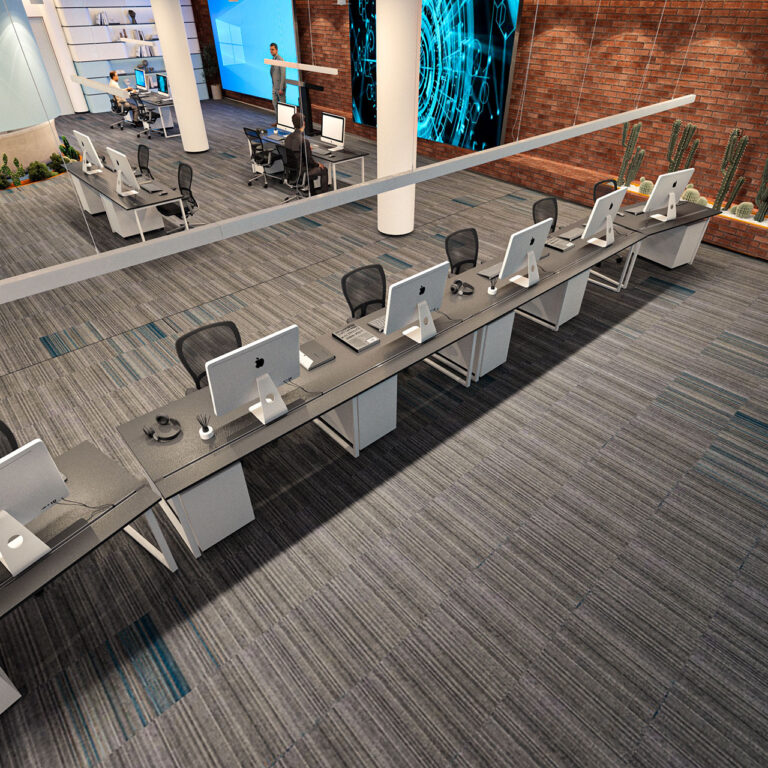
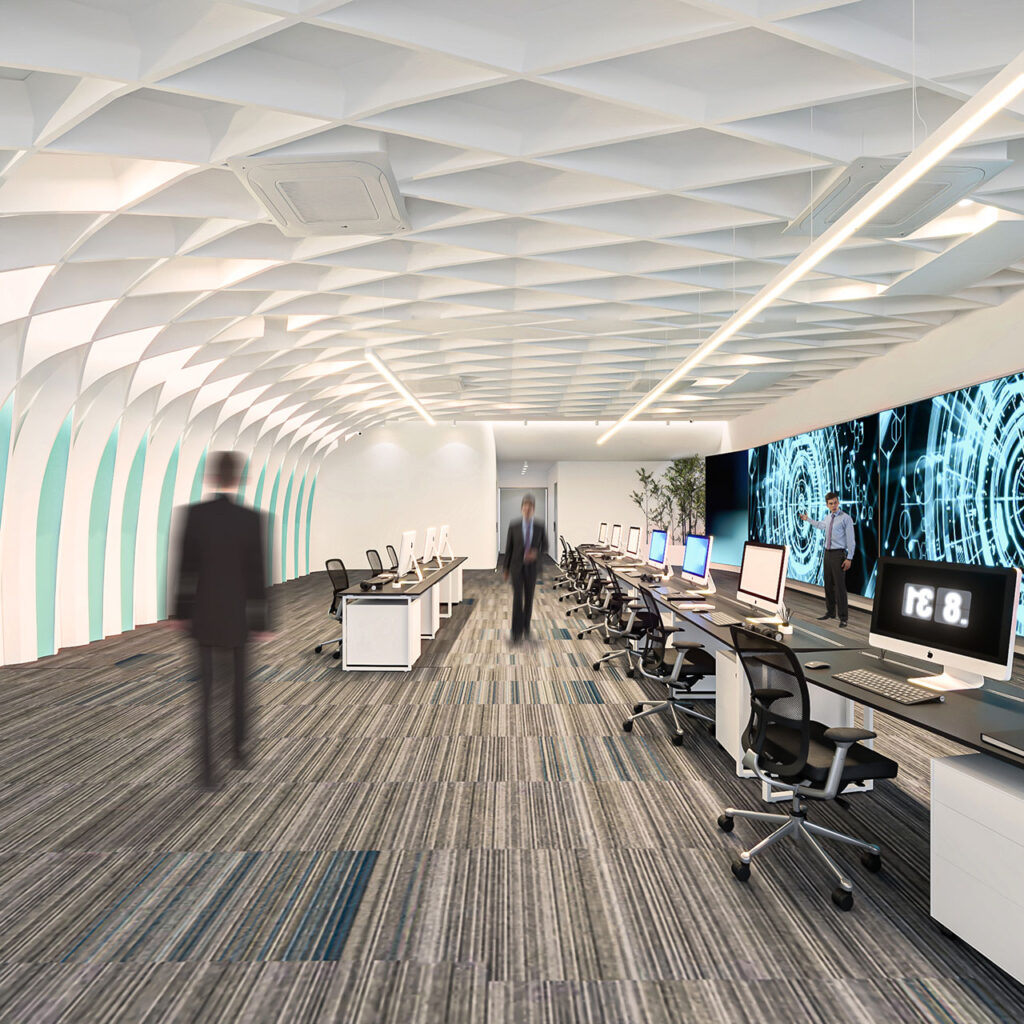
With the rapid growth of smart urban systems and real-time data management, organizational monitoring centers have become essential components of modern infrastructure. The architecture of monitoring centers goes far beyond spatial design; it directly influences decision-making accuracy, operational efficiency, data security, and user performance.
1. The Functional Nature of Monitoring Centers
Organizational monitoring centers are responsible for controlling, analyzing, and managing sensitive data across sectors such as water management, energy, transportation, security, and crisis response. As a result, their architectural design must respond to complex functional and technical requirements.
Key characteristics of these facilities include:
Continuous 24/7 operation
High concentration and minimal tolerance for error
Direct interaction with advanced digital and hardware systems
Strong requirements for security and operational stability
2. Core Principles of Monitoring Center Architecture
2.1. Precise Spatial Organization1. Precise Spatial Organization
Effective zoning is essential. Operational, managerial, technical, and support areas must be clearly defined to ensure smooth workflows and controlled access.
2.2. Ergonomic Design
Operators often work long hours in monitoring environments. Furniture design, equipment layout, and screen positioning must follow ergonomic standards to reduce fatigue and improve accuracy.
2.3. Controlled Lighting Design
Uniform, glare-free, and adjustable lighting is critical. Poor lighting conditions can cause eye strain and reduce operator efficiency over extended periods.
2.4. Acoustic Control
Noise reduction and sound absorption are vital for maintaining focus. Architectural materials and layouts should minimize ambient noise and prevent sound reflection.
2.5. Flexibility and Future Adaptability
Monitoring center architecture must accommodate technological advancements and organizational growth. Flexible layouts allow for system upgrades and spatial reconfiguration without major disruptions.
3. The Role of Materials in Monitoring Center Architecture
Material selection should prioritize durability, low maintenance, and compatibility with high-tech environments. Modern finishes, neutral color palettes, and robust surfaces contribute to a calm, professional atmosphere that supports long-term performance.
4. Security as an Architectural Strategy
Security is a fundamental component of monitoring center design. Access control, circulation planning, and strategic placement of sensitive areas must be seamlessly integrated into the architectural concept.
Conclusion: Designing organizational monitoring centers
Designing organizational monitoring centers requires a specialized architectural approach rooted in functional analysis, technical precision, and user-centered design. Ribo Architecture Studio applies these principles to create monitoring environments that balance performance, security, and architectural clarity.
By combining contemporary architecture with deep insight into operational workflows, Ribo Architecture Studio delivers monitoring centers that support accurate decision-making, long-term resilience, and evolving technological demands.
No comments yet.