

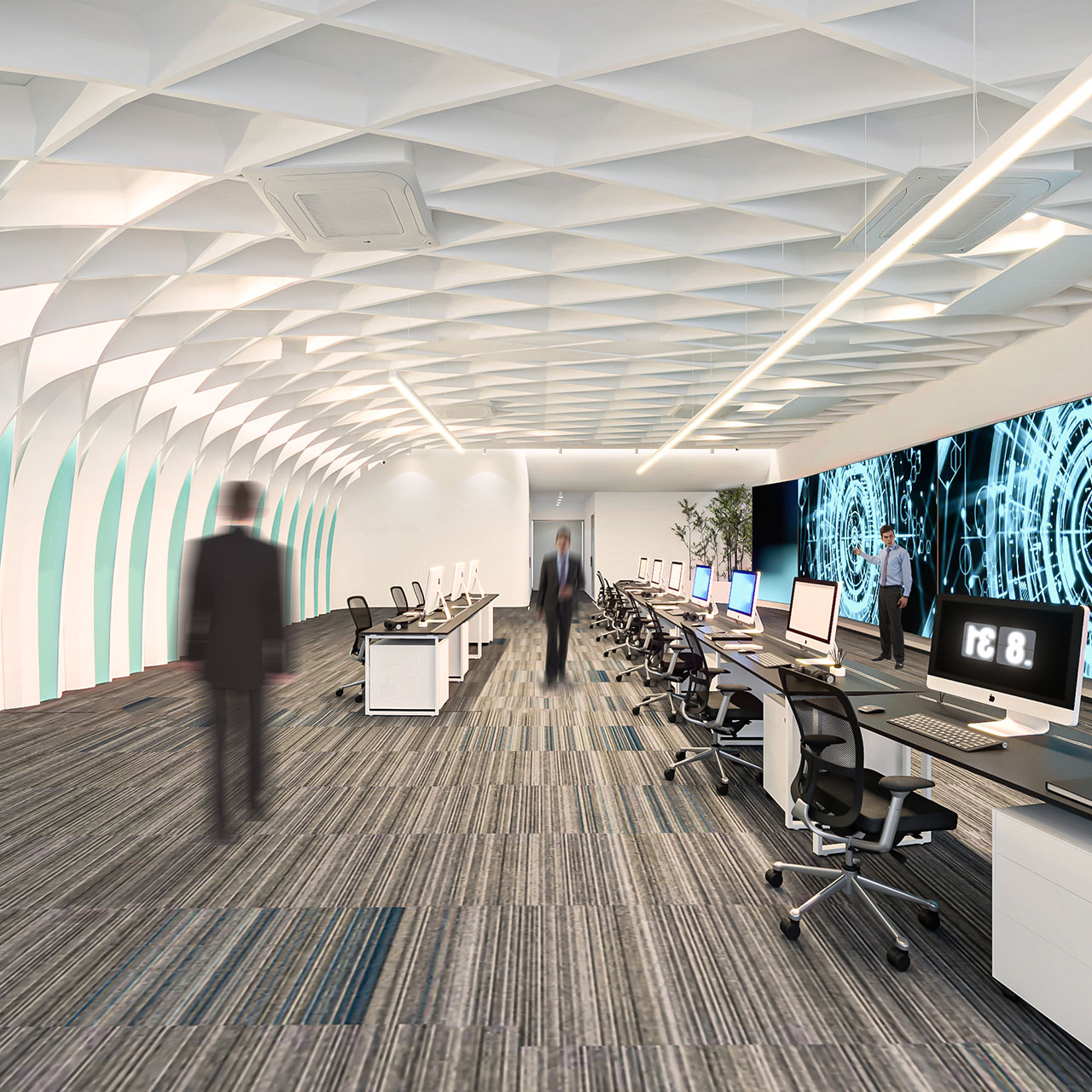
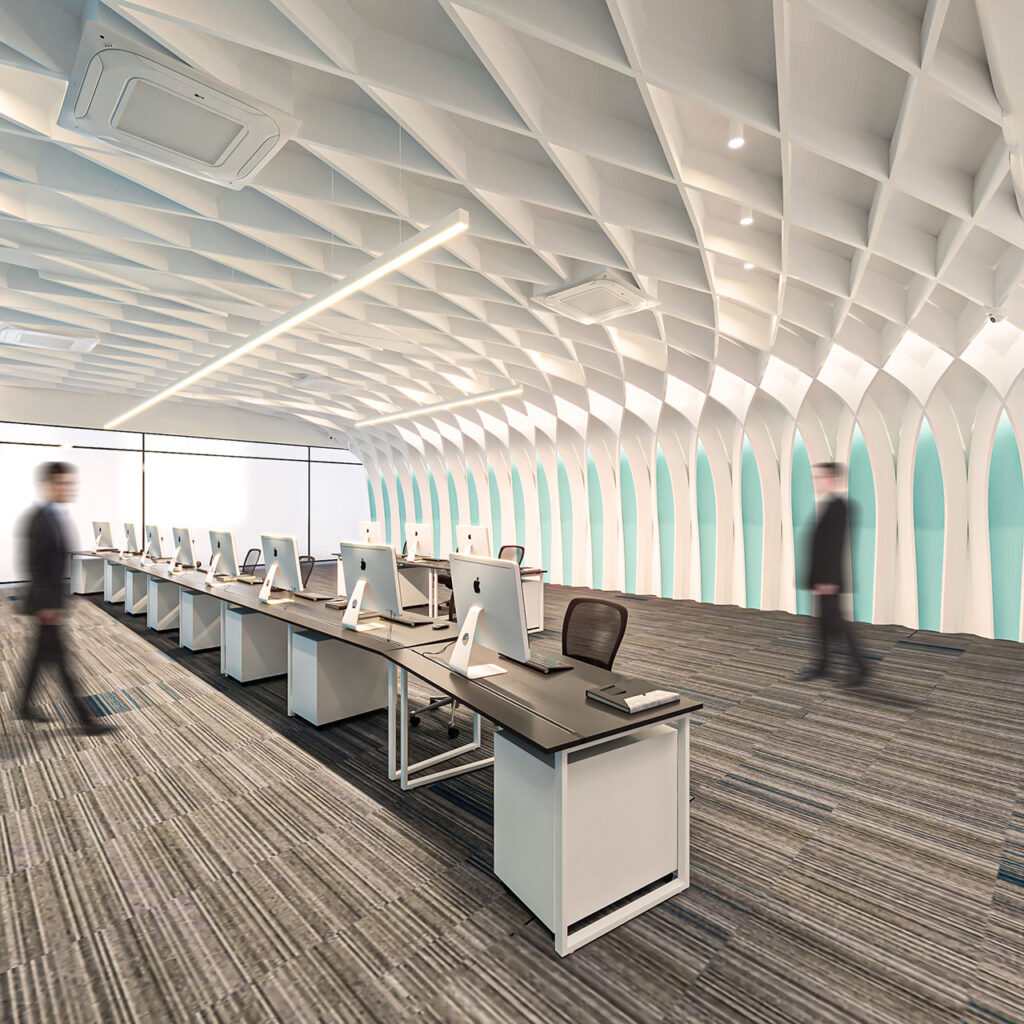
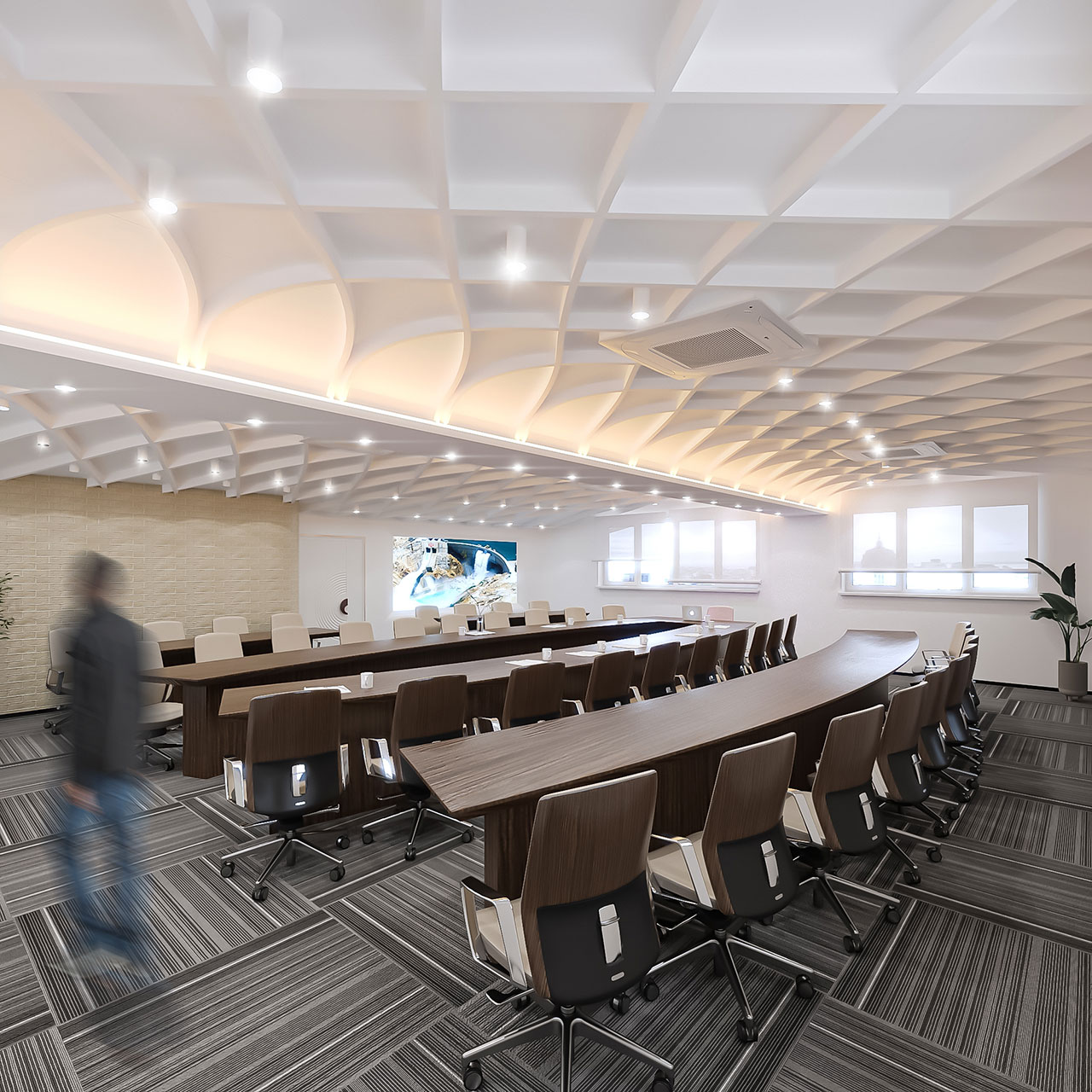
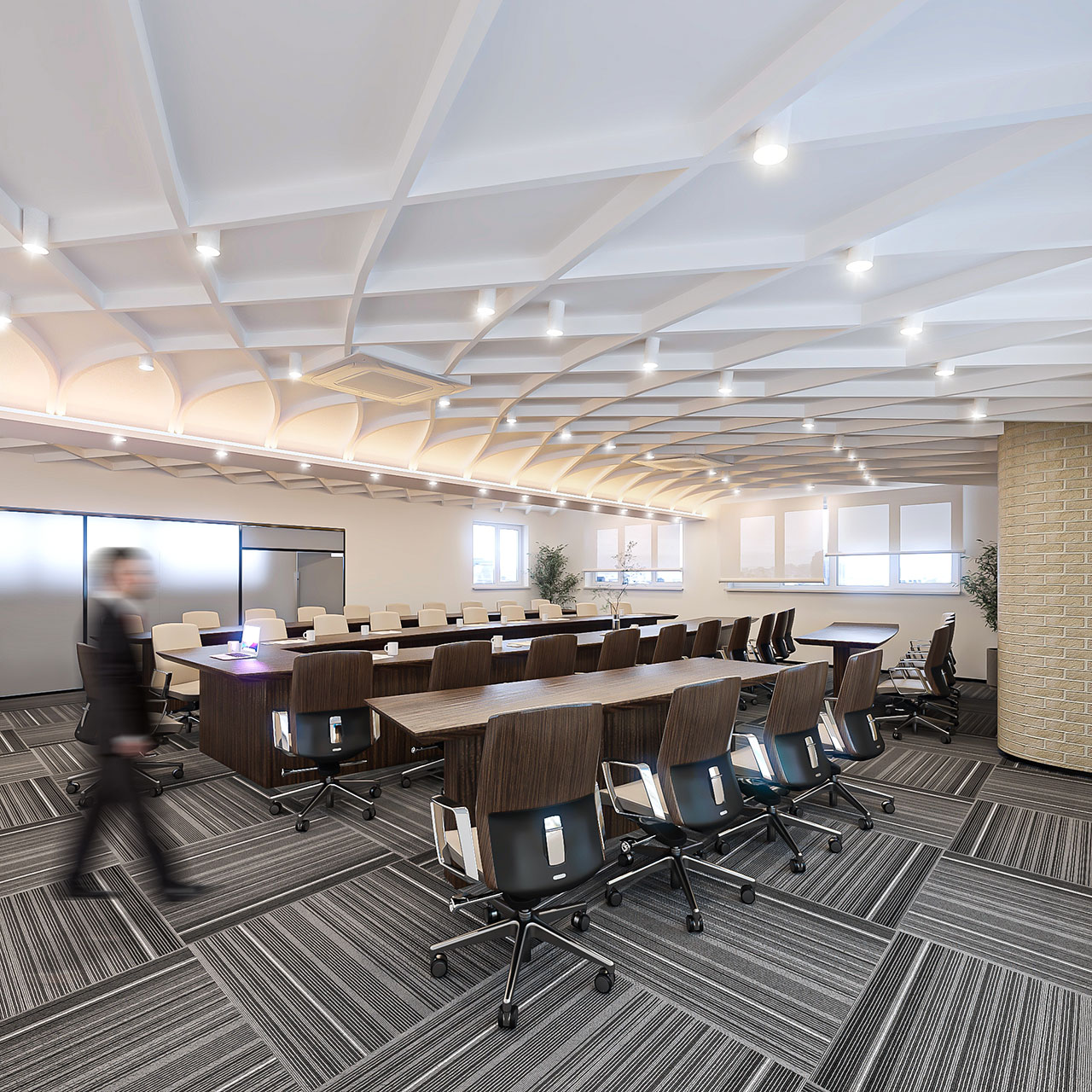
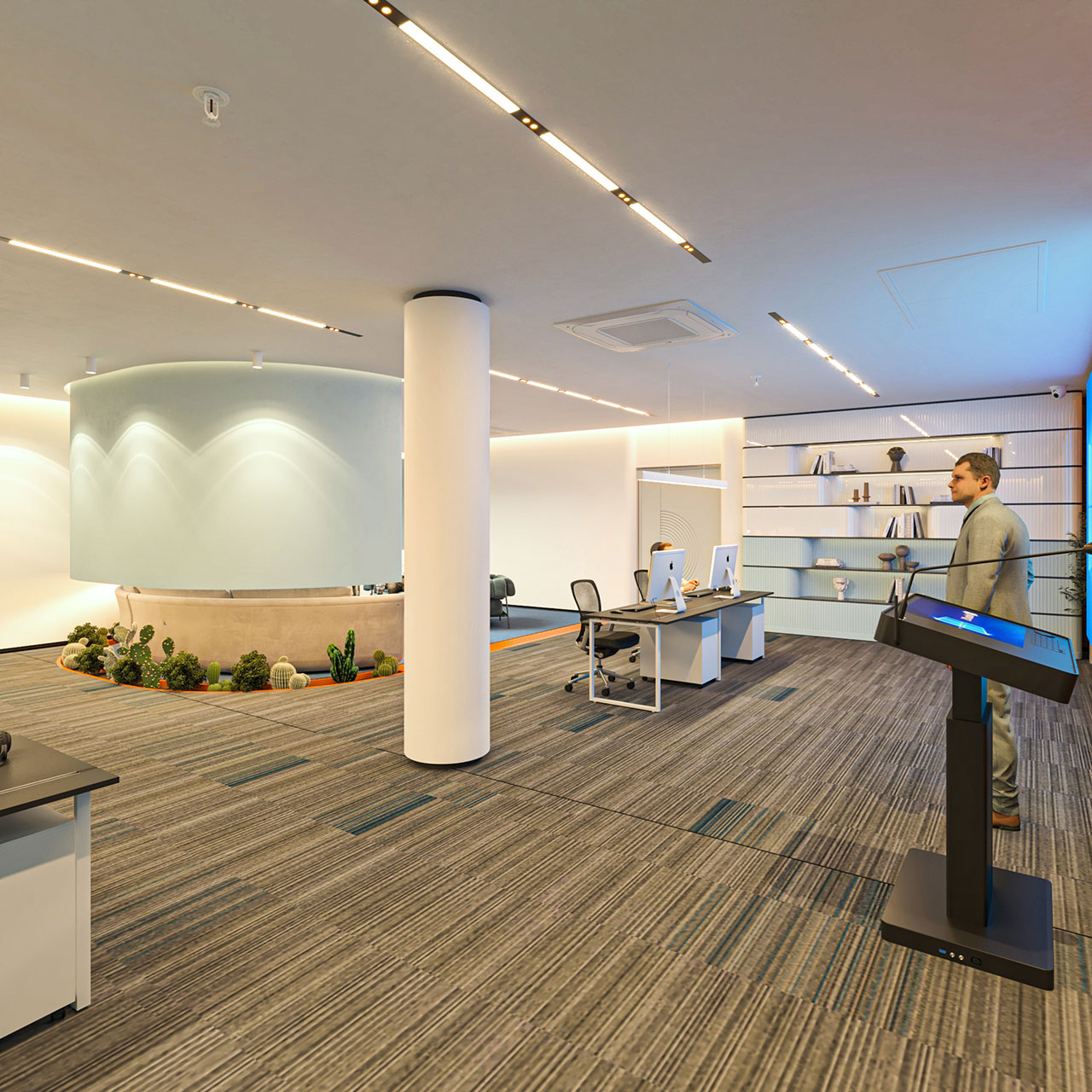
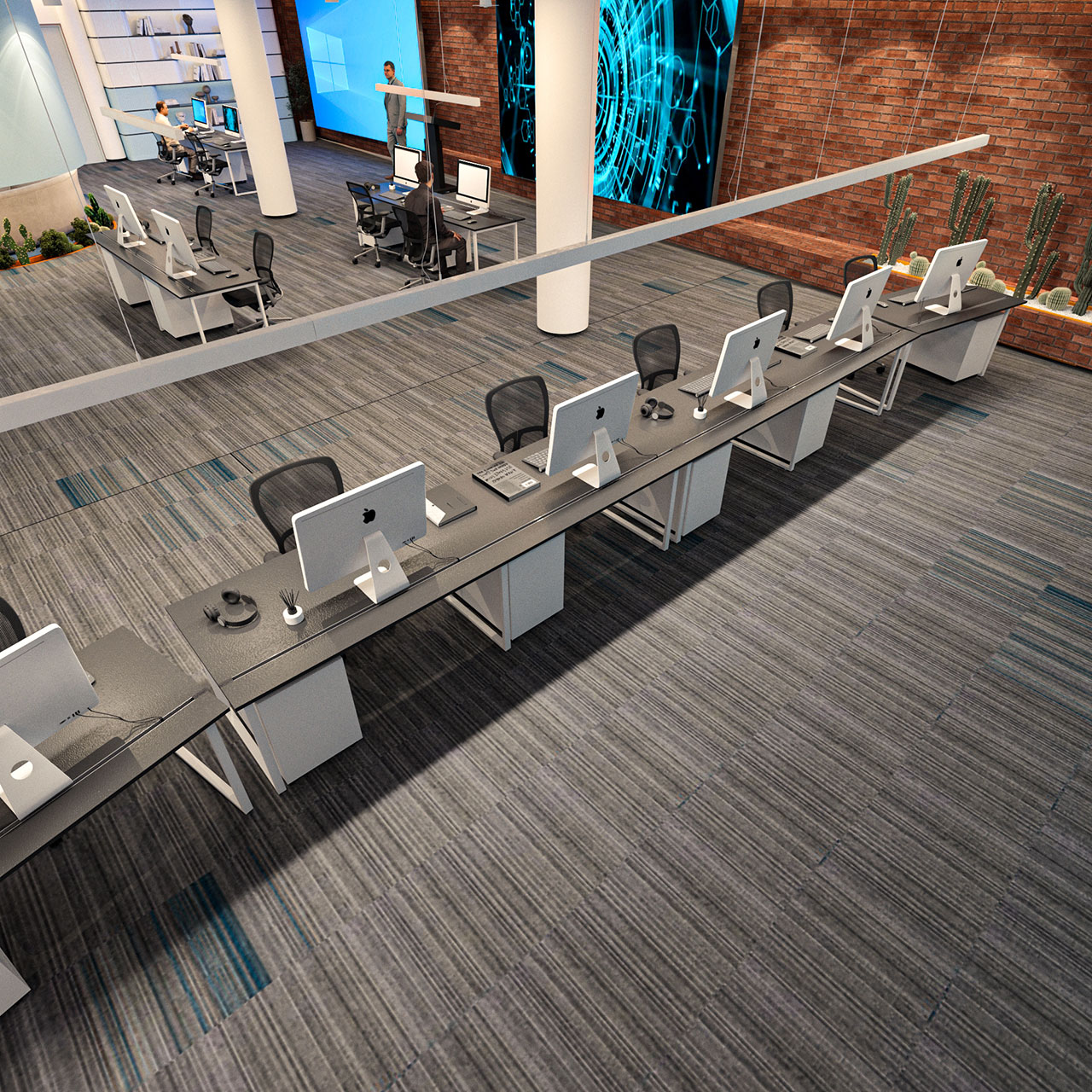
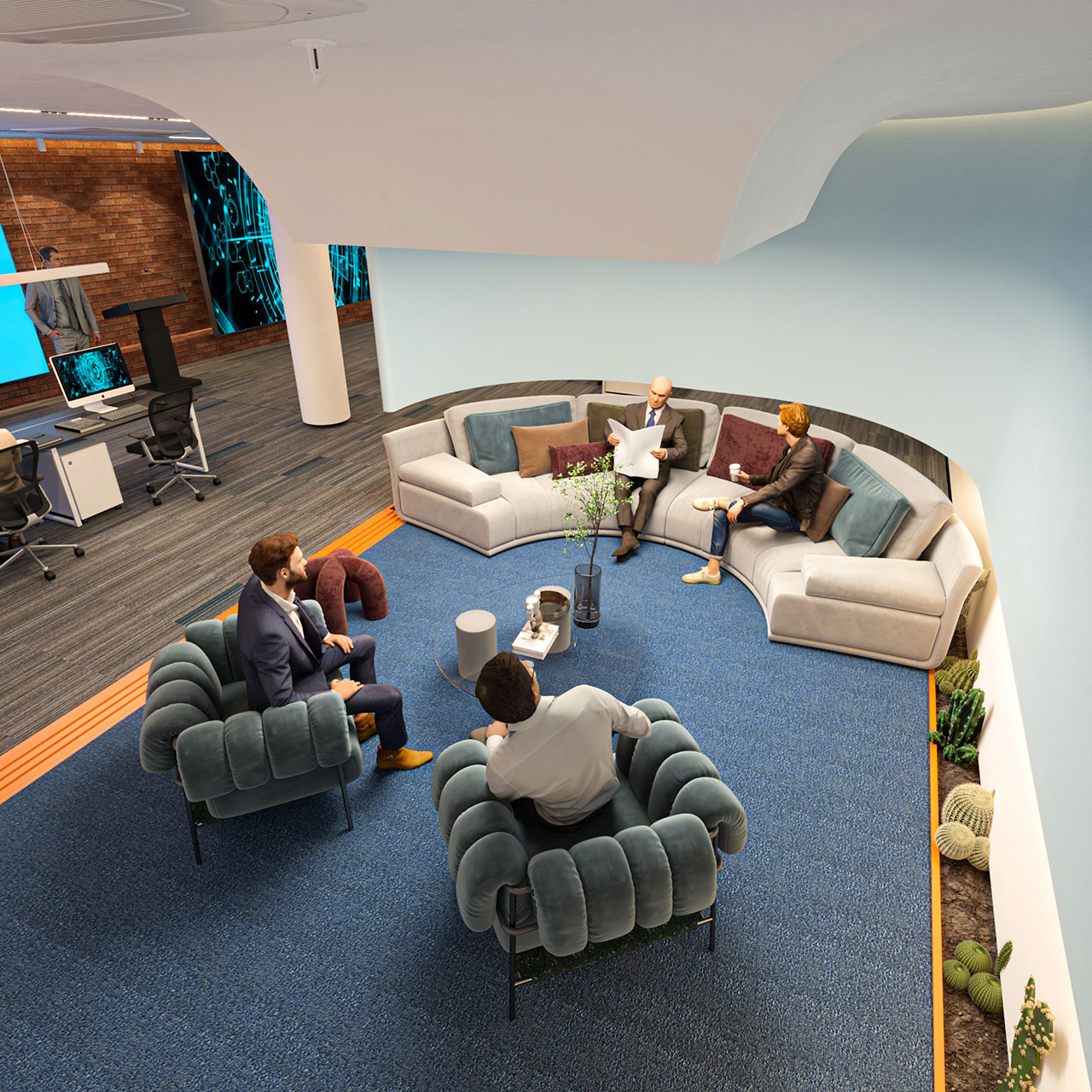
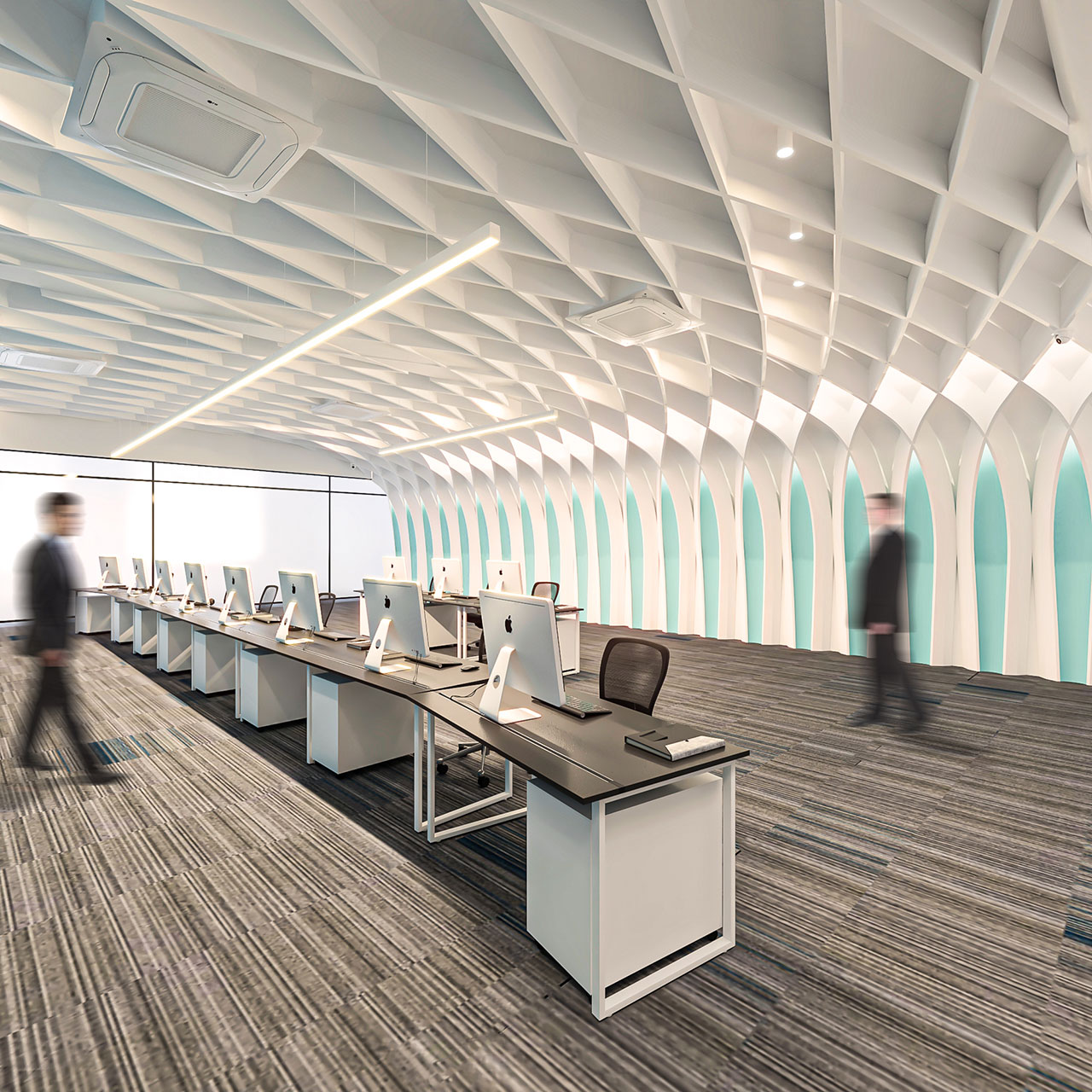
The Tehran Water Organization Monitoring Center is a highly specialized architectural project designed and completed to support the continuous monitoring and management of the city’s critical water infrastructure. The project required a precise balance between architectural clarity, technical performance, and long-term operational efficiency.
This facility was conceived not merely as a functional workspace, but as an integrated architectural system that enhances accuracy, focus, and reliability in decision-making environments.
1. Design Challenges in Monitoring Facilities
Monitoring centers present unique architectural challenges, including:
Maintaining high levels of concentration for operators
Organizing complex control systems and technical equipment
Designing ergonomic work environments for extended use
Managing acoustics, lighting, and visual comfort
Ensuring security, durability, and future adaptability
In this project, architecture was approached as a strategic tool to improve workflow, precision, and user performance.
2. Architectural Design Approach
The design of the Tehran Water Organization Monitoring Center follows a performance-driven architectural approach. Spatial organization was developed based on data flow, operational efficiency, and controlled visual connections.
Key Design Principles
Clear separation of operational, managerial, and support zones
Clean lines and structured forms to reduce visual distraction
Ergonomic layouts tailored to control room requirements
Flexible planning to accommodate future technological upgrades
The result is an environment that supports both immediate functionality and long-term adaptability.
3. Material Selection and Execution
Material choices were guided by durability, maintenance efficiency, and compatibility with the technical nature of the project. Contemporary materials, controlled color palettes, and robust surface finishes were selected to create a professional and calm working atmosphere.
Special attention was given to construction details to ensure precision, longevity, and seamless integration with technical systems.
4. Lighting and Acoustic Strategy
Lighting design plays a critical role in monitoring environments. The project incorporates uniform, glare-free lighting to maintain visual comfort and reduce fatigue during long operational hours. Acoustic considerations were also carefully addressed to minimize ambient noise and support focused performance.
5. Project Outcome
The completed monitoring center delivers a cohesive, efficient, and technically refined environment that meets the complex demands of a metropolitan water management system. The project demonstrates how architecture can actively contribute to the reliability and effectiveness of essential urban infrastructure.
Conclusion: The Role of Ribo Architecture Studio
In the Tehran Water Organization Monitoring Center Project, Ribo Architecture Studio applied a comprehensive design methodology rooted in functional analysis, technological integration, and architectural precision.
By aligning contemporary architectural principles with the specific operational needs of monitoring facilities, Ribo Architecture Studio delivered a project where architecture supports performance, clarity, and long-term resilience. The result is a space that not only fulfills technical requirements but also reflects a thoughtful, future-oriented architectural vision.
No comments yet.