

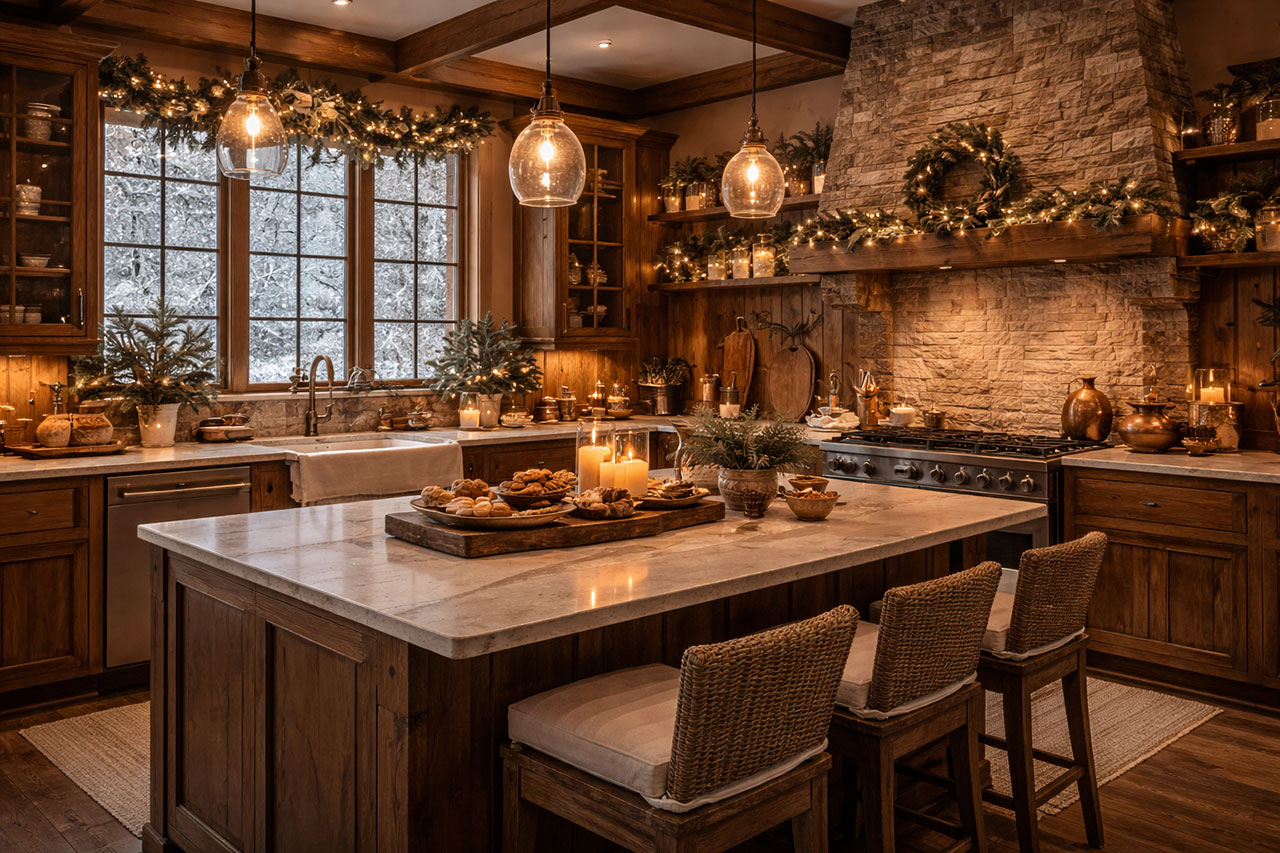
During winter, people spend more time indoors, making interior spaces emotionally and psychologically significant. Architecture plays a critical role in shaping how warm, safe, and comfortable a space feels. Beyond physical temperature, the psychology of cozy spaces influences well-being, mood, and behavior. By understanding how architecture affects emotional warmth, designers can create interiors that feel inviting throughout the cold season.
1. The Psychology Behind Cozy Architecture
Cozy spaces are defined by emotional response rather than size or luxury. Psychologically, humans associate warmth with protection, intimacy, and relaxation. Architecture that supports these feelings often uses human-scale proportions, gentle enclosure, and defined spatial boundaries.
For example, slightly lower ceilings in seating areas, alcoves, and partially enclosed zones create a sense of refuge. As a result, occupants feel more comfortable and emotionally grounded during winter months.
2. Lighting Design and Emotional Comfort in Winter
Lighting is one of the most influential architectural elements in winter interiors. Since natural daylight is limited, artificial lighting must compensate without creating glare or fatigue. Warm-toned, indirect lighting supports relaxation and reduces stress.
Layered lighting strategies—ambient, task, and accent lighting—allow spaces to adapt to different activities while maintaining a consistent sense of warmth. Moreover, architectural features such as wall washing and recessed fixtures enhance spatial depth and visual comfort.
Key architectural characteristics include:
Modular shop units that create rhythmic repetition
Clear circulation paths supporting efficient movement
Hierarchical spatial organization balancing openness and enclosure
This layout reflects a deep understanding of human behavior and functional architecture.
3. Material Selection and Tactile Warmth
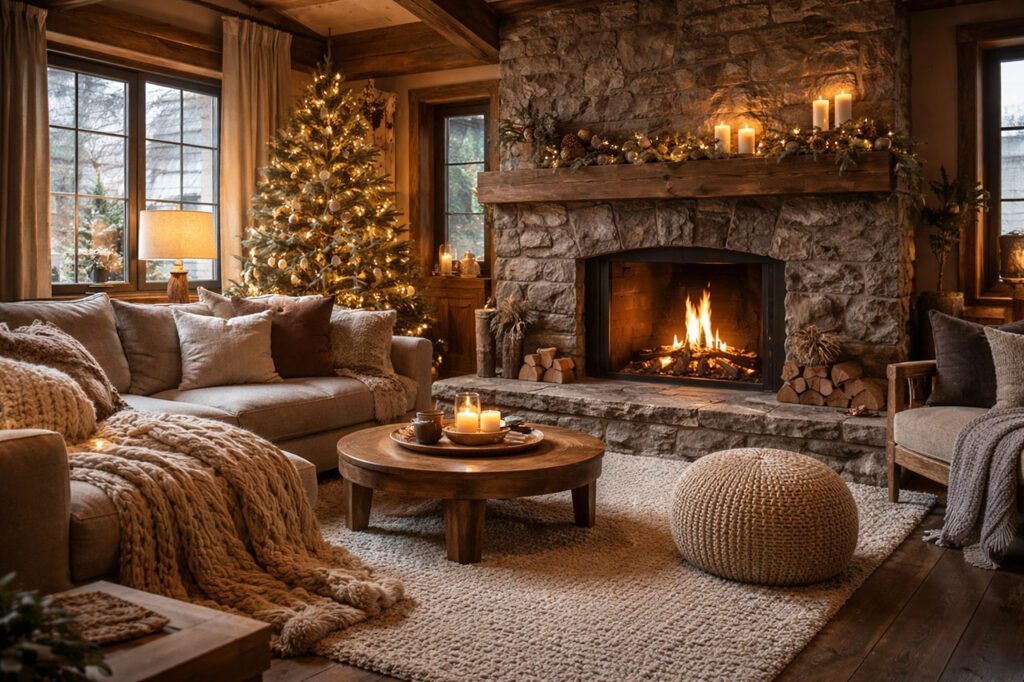
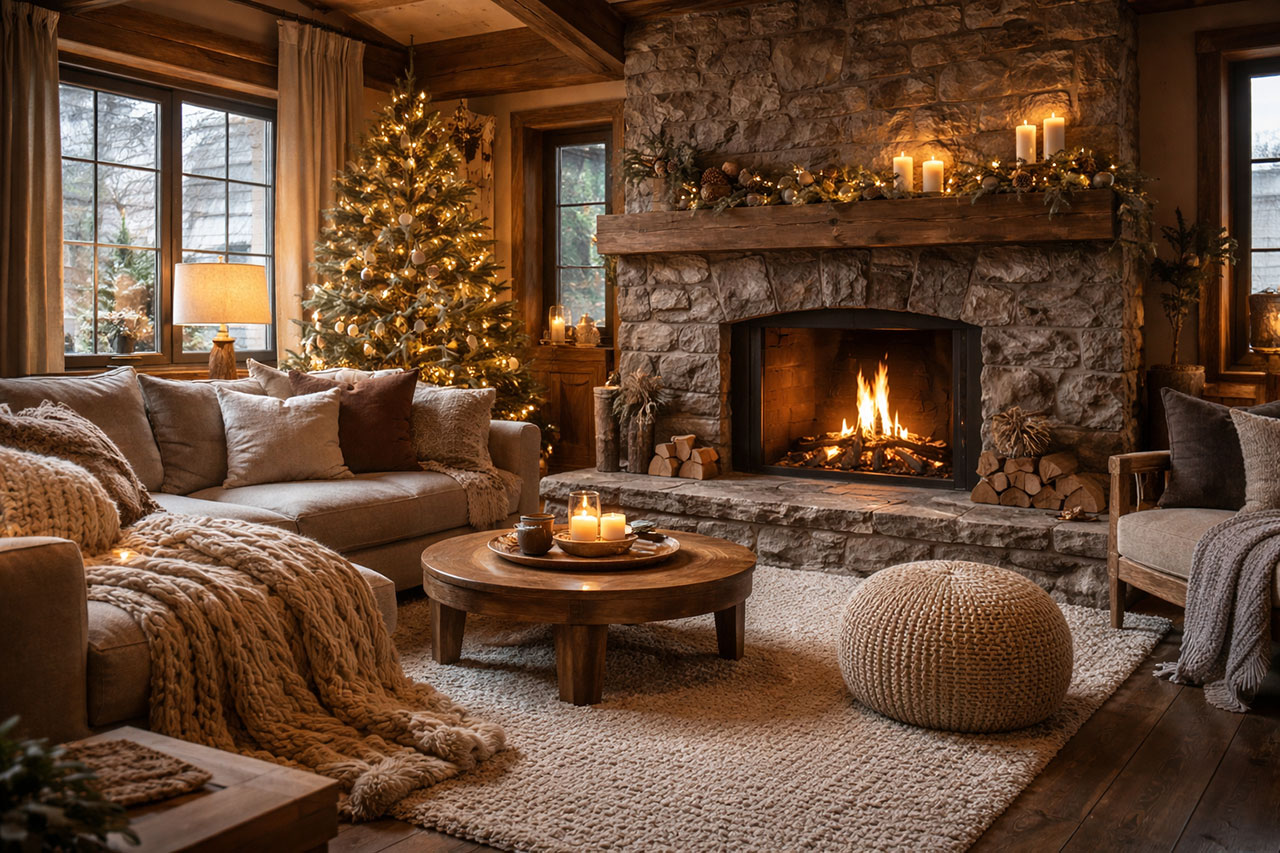
Material choice directly affects how architecture is perceived emotionally. Natural materials such as wood, stone, and textured fabrics introduce tactile warmth and sensory richness. These materials help counteract the psychological coldness often associated with winter.
In architectural interiors, textured surfaces create visual depth and encourage physical interaction with space. Consequently, users feel more connected to their environment, reinforcing comfort and well-being.
4. Color Psychology in Winter Architecture
Color has a strong psychological impact on how warm a space feels. During winter, architecture benefits from warm and muted color palettes, including earth tones, soft browns, and neutral shades. These colors reduce visual stress and create a calming atmosphere.
Rather than relying on high contrast, cohesive color schemes help interiors feel balanced and emotionally warm. This approach supports long-term comfort and enhances the overall architectural experience.
5. Spatial Layout and Human-Centered Design
Large open spaces can feel cold and impersonal in winter if not carefully designed. Architectural zoning, layered layouts, and subtle separations create intimacy while preserving openness. This balance allows users to choose between social interaction and privacy.
Human-centered architectural design ensures that spaces respond to emotional needs as well as functional requirements, especially during colder seasons.
6. Architecture as Emotional Design in Winter
Winter architecture is not solely about insulation or heating systems. Instead, it focuses on emotional design—creating spaces that encourage relaxation, reflection, and connection. When architecture aligns with psychological comfort, interiors become places of restoration rather than mere shelter.
Understanding the emotional impact of spatial design allows architects to transform winter environments into supportive and nurturing spaces.
Conclusion: Ribo Architecture Studio
At Ribo Architecture Studio, winter comfort is approached as a holistic architectural challenge. By integrating psychological principles, human-centered design, and thoughtful material selection, the studio creates interiors that offer emotional warmth as well as functional efficiency.
Ribo Architecture Studio believes that architecture should respond to both climate and human behavior. Through careful spatial planning, lighting strategies, and attention to detail, the studio designs cozy, meaningful spaces that enhance well-being throughout the winter season and beyond.
No comments yet.