

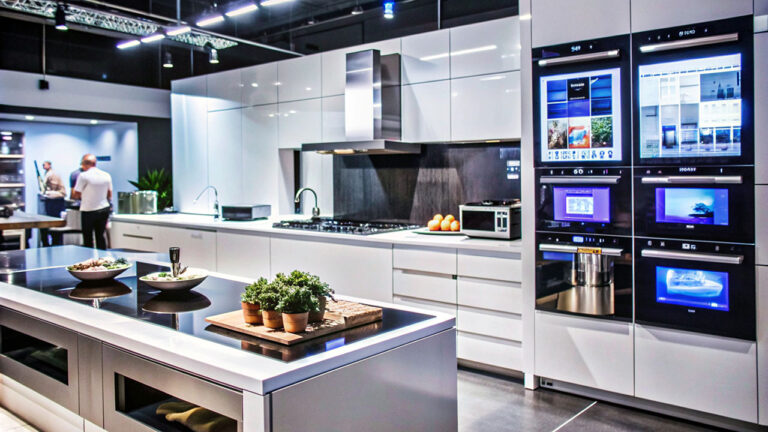

As modern homes continue to evolve, the kitchen has become one of the most dynamic spaces shaped by technology, innovation, and thoughtful architecture. By 2025, high-tech kitchens are no longer futuristic concepts—they are becoming essential environments designed for efficiency, sustainability, and elevated user experience. With advancements in smart systems, AI-powered appliances, and integrated design solutions, kitchens are transforming into intelligent hubs at the heart of every home.
In this article, we explore the top high-tech kitchen trends shaping 2025 and how architectural thinking drives this evolution.
1. AI-Powered Appliances for Seamless Living
The newest generation of appliances integrates artificial intelligence to enhance convenience:
Refrigerators that track food inventory and suggest recipes
Ovens that auto-adjust temperature based on dish type
Dishwashers that regulate water usage with smart sensors
These innovations show how technology and architecture merge to create intuitive spaces that require minimal effort from the user.
2. Voice-Controlled and App-Integrated Systems
In 2025, hands-free control becomes a standard feature in high-tech kitchens.
Users can operate essential elements through voice commands or mobile apps:
Lighting
Ventilation
Oven settings
Water dispensers
Coffee machines
This integration enhances hygiene, accessibility, and the overall architectural experience of the space.
3. Smart Storage Solutions with Automated Organization
Storage design is rapidly evolving. Modern kitchens now offer:
Motorized cabinets
Sensor-based pantry lighting
Pull-out systems optimized through AI analysis
Hidden storage designed with precise architectural detailing
These solutions help maximize efficiency while maintaining a sleek, minimal aesthetic.
4. Sustainable Materials and Energy-Efficient Technology
Environmental responsibility is a driving force behind 2025 kitchen design.
Key sustainable trends include:
Energy-saving induction cooktops
Solar-powered appliances
Low-consumption smart dishwashers
Eco-friendly surface materials like recycled composites and sustainable quartz
Architecturally, these choices support long-term resilience and healthier living.
5. Integrated Lighting Systems for Function + Mood
Lighting is becoming fully intelligent:
Smart LED strips under counters
Adaptive task lighting with motion sensors
Ambient color-changing modes for mood setting
These lighting strategies enhance both functionality and architectural atmosphere.
6. Multi-Functional Surfaces and Modular Countertops
High-tech kitchens are designed to adapt to users’ needs. New multifunctional surfaces include:
Countertops with built-in charging pads
Touch-sensitive surfaces that double as screens
Modular islands with movable components
This trend supports flexible and innovative architectural layouts.
7. Advanced Ventilation and Air-Purification Systems
Modern homes prioritize clean, fresh air—especially in cooking areas. New technologies provide:
Smart range hoods with air-quality sensors
Integrated purification systems
Architectural air flows tailored to reduce heat and odors
This creates a healthier and more comfortable environment.
Conclusion: How Ribo Architecture Studio Designs the Kitchens of the Future
At Ribo Architecture Studio, high-tech kitchens are more than just modern conveniences—they are carefully crafted architectural environments where user experience, smart technology, and aesthetics unite. The studio designs kitchens that integrate seamlessly with the home, using advanced planning, AI-ready layouts, and sustainable materials.
By combining innovation with human-centered design, Ribo Architecture Studio ensures that every kitchen becomes a space where daily life feels smoother, smarter, and more inspiring. Their approach transforms high-tech kitchens from trends into timeless architectural solutions built for the future.
No comments yet.