

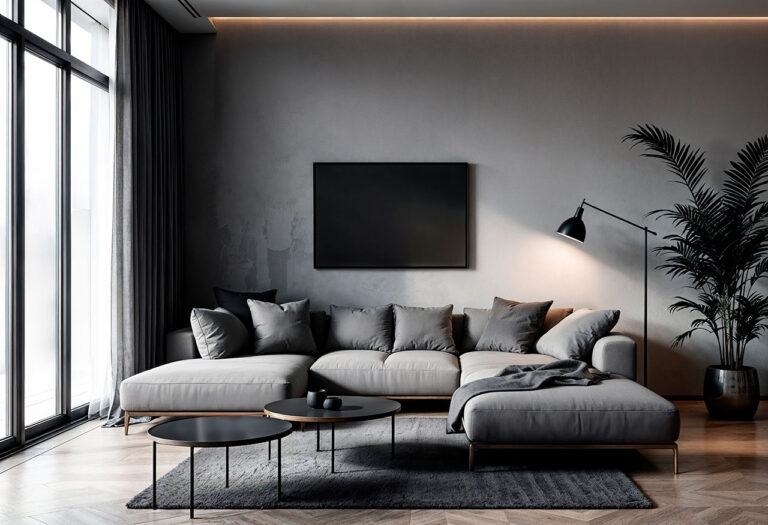
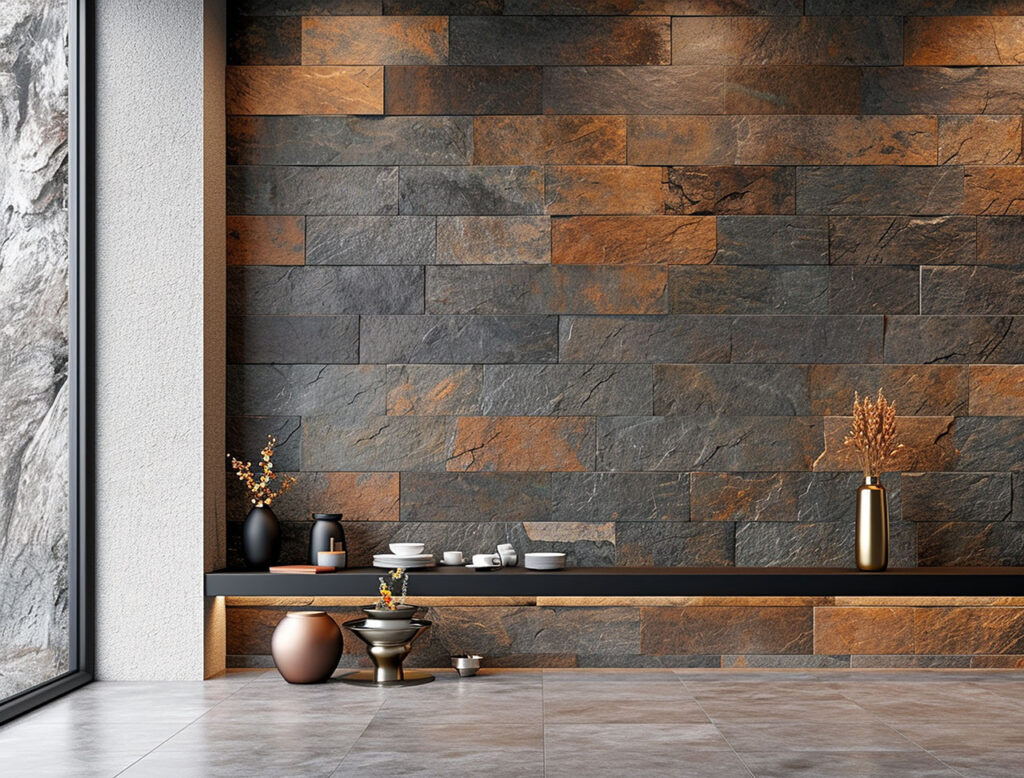
Blending wood, stone, and metal has become one of the most powerful strategies in modern architecture and interior design. When these three materials come together, they create a balanced environment that feels both organic and contemporary. This harmony is not only visually appealing but also enhances the function, durability, and emotional impact of a space.
In this article, you’ll discover how architects use natural and industrial materials in thoughtful combinations to build depth, character, and timeless beauty.
Why Material Harmony Matters in Architecture
Architecture is built on balance—between texture and smoothness, warmth and coolness, tradition and innovation. When wood, stone, and metal coexist, each material complements the others:
Wood brings warmth and comfort.
Stone adds strength and grounding.
Metal introduces sophistication and modernity.
Together, they form a rich architectural narrative that feels unified and expressive.
1. Wood: The Warm Foundation
Wood is essential in architecture because it softens spaces and brings nature inside. It transitions smoothly between traditional and modern styles.
Best Uses of Wood in Mixed-Material Designs
Ceiling beams
Wall cladding
Custom cabinetry
Flooring
Decorative panels
Warm tones like walnut, oak, and ash pair beautifully with metal and stone, creating an inviting yet elevated atmosphere.
2. Stone: Strength and Timeless Elegance
Stone is the anchor material. It brings weight, texture, and a sense of permanence. Whether polished or rough, stone creates a sculptural effect that enriches architectural spaces.
Where Stone Works Best:
Feature walls
Countertops
Fireplaces
Flooring
Bathroom surfaces
When placed next to wood, stone highlights its warmth. When paired with metal, it sharpens the modern appeal of a room.
3. Metal: The Modern Counterbalance
Metal is the finishing touch in any mixed-material design. It adds precision, reflection, and a contemporary edge.
Architectural Uses of Metal:
Railings
Window frames
Lighting fixtures
Furniture legs
Room dividers
Black steel creates drama, while brass and copper add elegance and glow—especially next to wood and textured stone.
4. How to Combine Wood, Stone, and Metal Harmoniously
4.1. Start with a Dominant Material
Choose one material as the foundation. For example:
Wood for a warm, organic interior
Stone for a bold, grounded look
Metal for a sleek, industrial vibe
Then, introduce the other materials as secondary accents.
4.2. Balance Texture and Color
Material harmony depends on consistent tones and textures.
Light wood pairs well with matte stone.
Dark stone highlights brushed metal.
Polished surfaces contrast beautifully with rough finishes.
This balance strengthens the architectural identity of the space.
4.3. Keep Architecture Functional
Mixing materials should never feel random. Every choice must enhance the architecture’s purpose:
Stone for durability
Wood for comfort
Metal for structure and detail
Good architecture blends beauty and usability at the same time.
4.4. Use Lighting to Bridge Materials
Warm lighting enhances wood. Neutral lighting sharpens stone. Accent lighting highlights metal details. Light creates visual continuity across mixed-material designs.
5. Where Mixed Materials Shine Best
You can see the harmony of wood, stone, and metal in many architectural spaces:
Modern kitchens with stone islands, wood cabinets, and metal fixtures
Living rooms featuring stone fireplaces, wooden floors, and steel frames
Entryways with rustic wood doors and clean metal lines
Bathrooms where stone textures meet warm wooden vanities
These designs feel elevated yet natural—perfectly blending modern architecture with comfort.
Conclusion: How Ribo Architecture Studio Elevates Material Harmony
When wood, stone, and metal are combined intentionally, they create a space that feels warm, modern, and meaningful. This balance is central to successful architecture—where material choices shape emotion, experience, and identity.
Ribo Architecture Studio continues to explore innovative ways to harmonize natural and industrial materials. By focusing on sustainable sourcing, thoughtful detailing, and user-centered design, Ribo Architecture Studio creates interior and architectural spaces that feel timeless, functional, and deeply human. Their mixed-material projects highlight how architecture can be both aesthetically rich and elegantly simple—bringing harmony to every room.
No comments yet.