

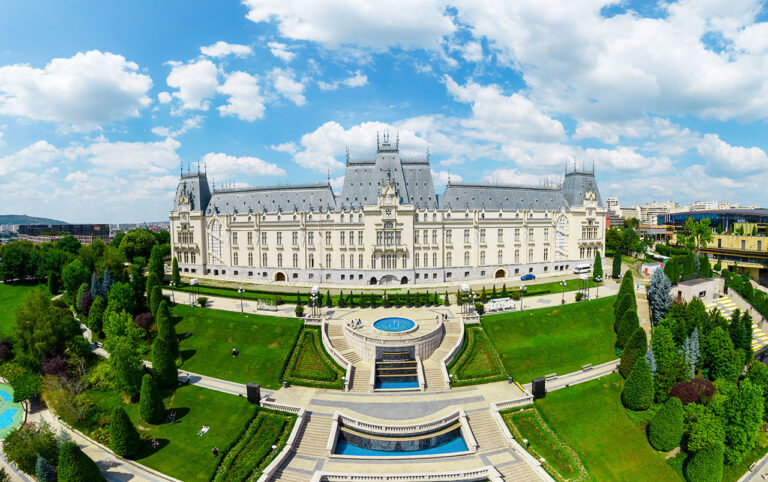

Schönbrunn Palace stands as one of Europe’s most iconic architectural landmarks. Located in Vienna, Austria, this grand palace showcases the height of Baroque architecture while representing centuries of cultural, artistic, and political history. Today, it remains a UNESCO World Heritage Site and a celebrated example of how architecture can reflect power, elegance, and innovation across time.
A Symbol of Imperial Power and Architectural Grandeur
Originally built as a hunting lodge in the 16th century, Schönbrunn Palace evolved into a lavish imperial residence under the Habsburg dynasty. Architect Johann Bernhard Fischer von Erlach shaped the early vision of the palace, designing a structure that balanced monumental scale with artistic sophistication.
The palace’s architecture features:
Symmetrical forms and classical proportions
Elaborate stucco decorations
Rich ornamentation inspired by Renaissance and Baroque traditions
Grand staircases and ceremonial halls designed for imperial gatherings
This combination makes Schönbrunn a masterpiece of European architecture.
The Exterior: Balanced, Majestic, and Perfectly Designed
The palace’s exterior demonstrates the harmony typical of Baroque architecture. The long yellow façade—now iconic to Vienna—creates a unified visual experience that stretches across beautifully ordered courtyards and gardens.
Key exterior features include:
Endless colonnades and rhythmic window patterns
Sculptural decorations portraying mythological and historical figures
Expansive courtyards designed for royal processions
Perfect axial alignment connecting the palace to the vast palace gardens
This precision reflects the Baroque era’s obsession with symmetry, control, and visual drama.
The Interior: A True Celebration of Artistic Craftsmanship
Inside Schönbrunn Palace, visitors encounter an architectural world defined by luxury, detail, and cultural significance. The interiors represent centuries of craftsmanship, with influences ranging from Rococo to Neoclassical styles.
Highlights include:
The Great Gallery, featuring mirrors, crystal chandeliers, and gilded stucco
The Millions Room, decorated with rare Indo-Persian miniatures
The Hall of Ceremonies, used for royal events and state receptions
Intimate royal apartments finely furnished and richly decorated
Every room showcases the craftsmanship and artistry that have shaped European interior architecture.
Gardens and Landscape: Architecture in Nature
The Schönbrunn gardens are a perfect example of how architecture and landscape design work together. Inspired by the French Baroque style, the gardens create a sequence of visual experiences and architectural frames.
Key features include:
The Neptune Fountain, an elegant sculptural centerpiece
The Gloriette, a hilltop structure offering panoramic palace views
A maze, botanical garden, and palm house
Symmetrical pathways that guide visitors through planned natural scenery
These gardens illustrate how architecture extends beyond buildings and shapes the environment itself.
Cultural Significance: A Living Piece of Architectural History
Schönbrunn Palace is more than a historic building—it is a living cultural monument. It hosts concerts, exhibitions, and tours that bring Austria’s architectural past into the present. Millions of visitors explore the palace each year, reinforcing its place as a global architectural icon.
Conclusion: A Timeless Expression of Architectural Excellence
Schönbrunn Palace stands as a powerful example of how architecture shapes identity, culture, and history. Its Baroque design, refined interiors, and harmonious landscapes continue to inspire architects and designers around the world. The palace demonstrates that great architecture is not only functional—it also tells a story, preserves heritage, and brings beauty into everyday life.
At Ribo Architecture Studio, we believe that architecture should balance beauty, functionality, and cultural meaning—just as historic masterpieces like Schönbrunn Palace have done for centuries. Our work combines research-driven design, modern technology, and a deep respect for context.
We aim to create spaces that:
Tell a meaningful story
Reflect the identity of their users
Stand the test of time
Connect architecture with nature and community
Ribo Architecture Studio takes inspiration from global architectural heritage while designing innovative spaces that meet today’s needs and enrich tomorrow’s environments.
No comments yet.