

Cities around the world are becoming denser, taller, and more complex. As urban populations grow, architects and planners are looking upward—unlocking the hidden potential of rooftops. The new wave of rooftop architecture is transforming unused or underused rooftop surfaces into social, ecological, and functional assets that reshape the experience of urban life.
In 2025 and beyond, rooftops are no longer simple building caps. They are evolving into green landscapes, community hubs, energy generators, co-working environments, and experiential leisure spaces. This movement marks a major shift toward sustainable, compact, and human-centered cities.
1. Rooftops as Public Spaces
One of the most significant trends in rooftop architecture is the creation of shared social spaces. Cities are increasingly turning rooftops into:
Gardens and micro-parks
Outdoor cinemas
Community gathering zones
Rooftop cafés and restaurants
Event and art spaces
This approach allows urban centers to reclaim open space without expanding horizontally—helping residents reconnect with nature and enjoy broader city views.
2. Green Roofs and Urban Biodiversity
Sustainability is at the heart of modern rooftop design. Green roofs are no longer aesthetic additions; they play crucial environmental roles:
Reducing stormwater runoff
Improving air quality
Lowering building energy consumption
Creating habitats for birds, insects, and micro-ecosystems
Reducing the urban heat island effect
These living rooftops transform sterile concrete skylines into ecological networks that support healthier and more resilient cities.
3. Rooftop Agriculture and Food Innovation
Urban farming is expanding vertically. Rooftops are becoming ideal sites for:
Hydroponic and aeroponic food systems
Greenhouses
Edible gardens and community farms
This innovation brings food production closer to the consumers, reduces transportation emissions, and strengthens local food resilience.
4. Energy-Producing Roofscapes
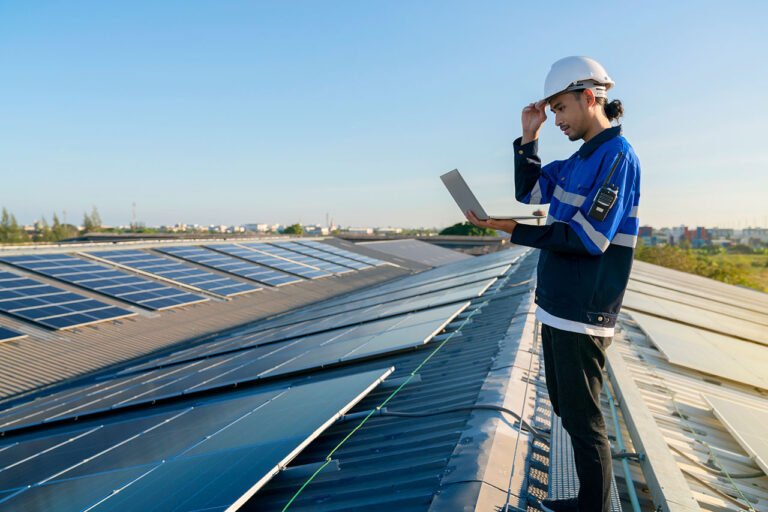
Rooftops are becoming energy engines for cities. The integration of renewable technologies includes:
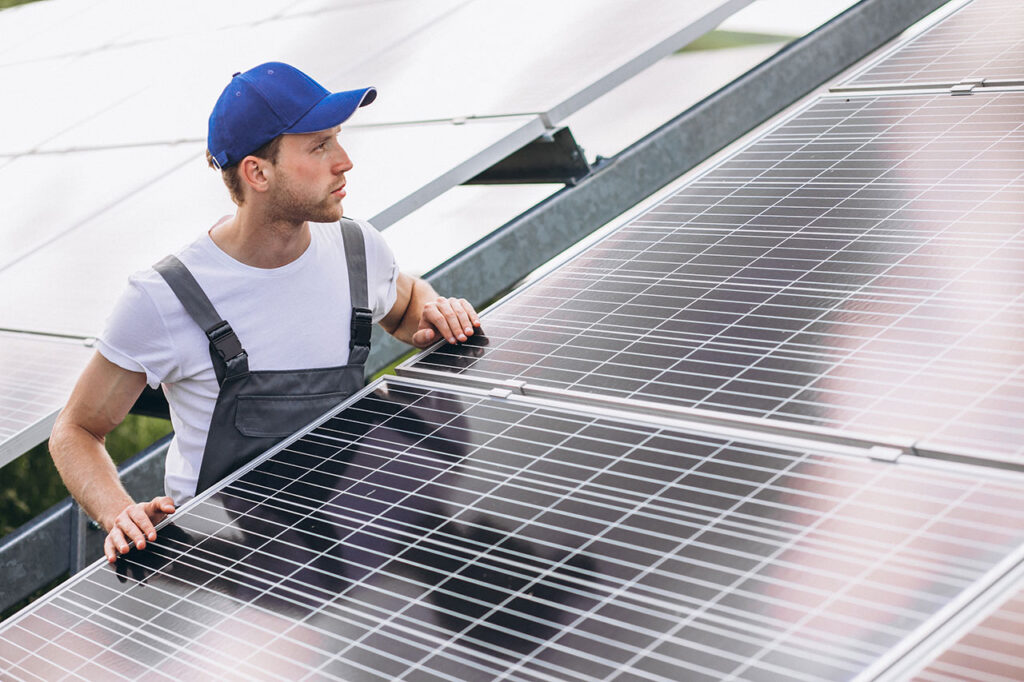
Solar panel fields
Thin-film photovoltaic surfaces
Wind micro-turbines
Solar thermal collectors
These systems transform rooftops into active contributors to building performance and sustainable energy grids.
5. Multifunctional Rooftop Wellness Spaces
With the rise of compact living, rooftops are being reimagined as wellness zones:
Open-air gyms
Yoga terraces
Meditation decks
Swimming pools and spas
These spaces improve physical and mental health while maximizing underutilized areas.
6. Adaptive Rooftop Extensions
As cities look for space without expanding outward, rooftop expansions are becoming a smart architectural strategy. Lightweight materials, prefabricated structures, and modular units allow architects to add new spaces atop existing buildings:
Additional residential units
Co-working studios
Tiny houses
Micro-hotels
This approach increases density without overwhelming the urban footprint.
7. Rooftops as Cultural Landmarks
Some of the most iconic new architectural projects are now happening above traditional city lines. Rooftops can become cultural destinations:
Art installations
Museums and gallery spaces
Performance stages
Sky bridges connecting buildings
This shift adds a new experiential layer to the urban narrative.
Conclusion: The Future Lives on the Rooftops
The new wave of rooftop architecture is a direct response to the environmental, social, and spatial demands of today’s cities. By transforming rooftops into green, productive, and vibrant areas, designers are redefining what urban life can look like.
Rooftop architecture is no longer a trend—it is an essential dimension of future-focused urbanism. As technology, sustainability, and human-centered design continue to evolve, rooftops will play an increasingly significant role in shaping healthier, denser, and more inspiring cities.
In this direction, Ribo Architecture Studio adopts a creative and sustainability-driven approach, offering projects that make the best use of the hidden potential of rooftops. By combining functional architecture, modern aesthetics, and a human-centered design philosophy, the Ribo team creates spaces that not only revitalize rooftops but also transform them into meaningful, inspiring, and valuable parts of the urban fabric.
No comments yet.